 Rare
Rare
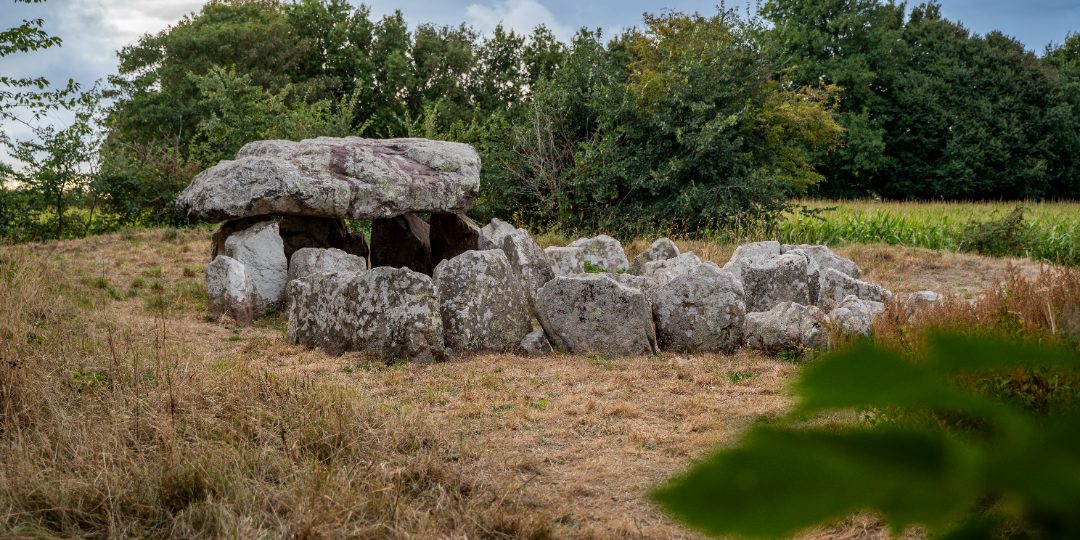
La Hougue BieNeolithic site · Grouville
Timeline
Jersey’s history is unusually easy to walk through, because almost nothing was ever cleared away. The farmers who raised the dolmens, the Normans who built the churches, the garrisons who ringed the coast with towers and the Germans who poured the concrete all left their work standing, often within sight of each other.
This guide runs in order, oldest first. You will not do it in a day — it crosses the whole island — but each stop is a real place with its own page and its own story in the app, and together they make one of the more satisfying sets to complete.
Around 4000 BC, farmers on what was then a peninsula of France raised passage graves of granite and earth. La Hougue Bie is the one that kept its mound; Faldouet lost its mound and shows its bones.
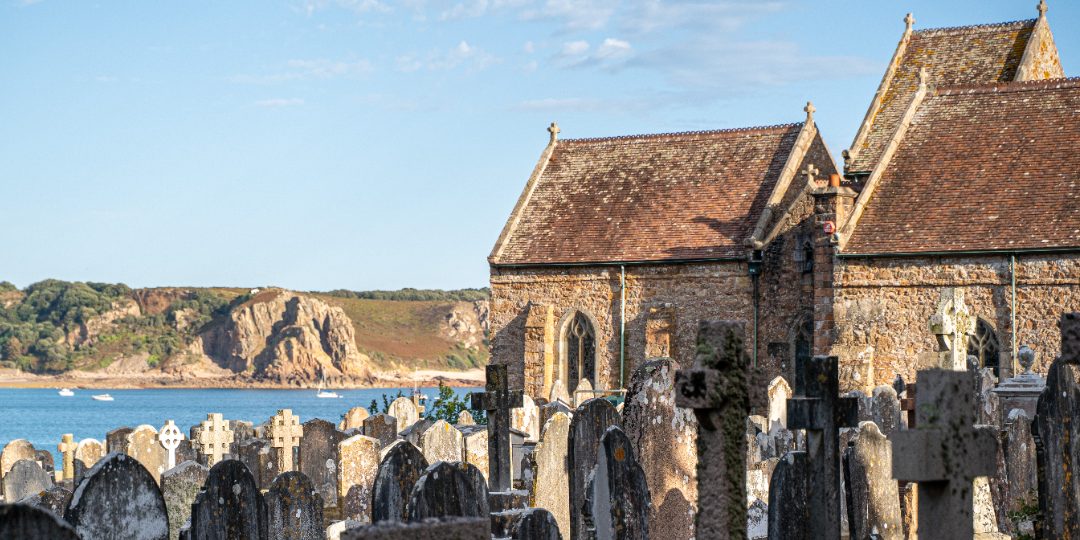
Jersey was part of Normandy, and when King John lost Normandy in 1204 the island chose to stay with the English crown — which is why it is still not part of the United Kingdom. Mont Orgueil was built in the years after to hold that line; the parish churches are older still at the core, and the fishermen’s chapel at St Brelade keeps its medieval wall paintings.
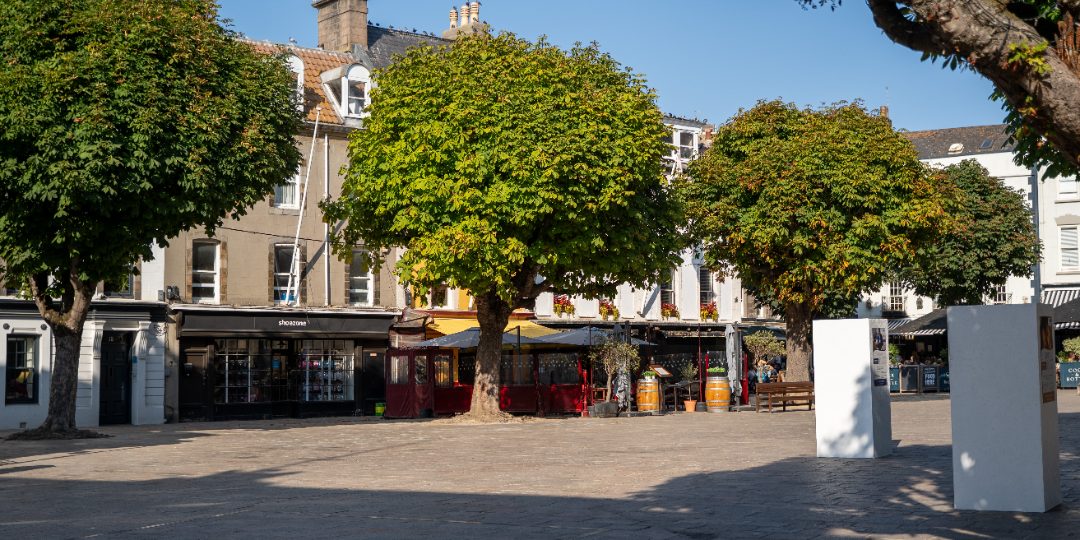
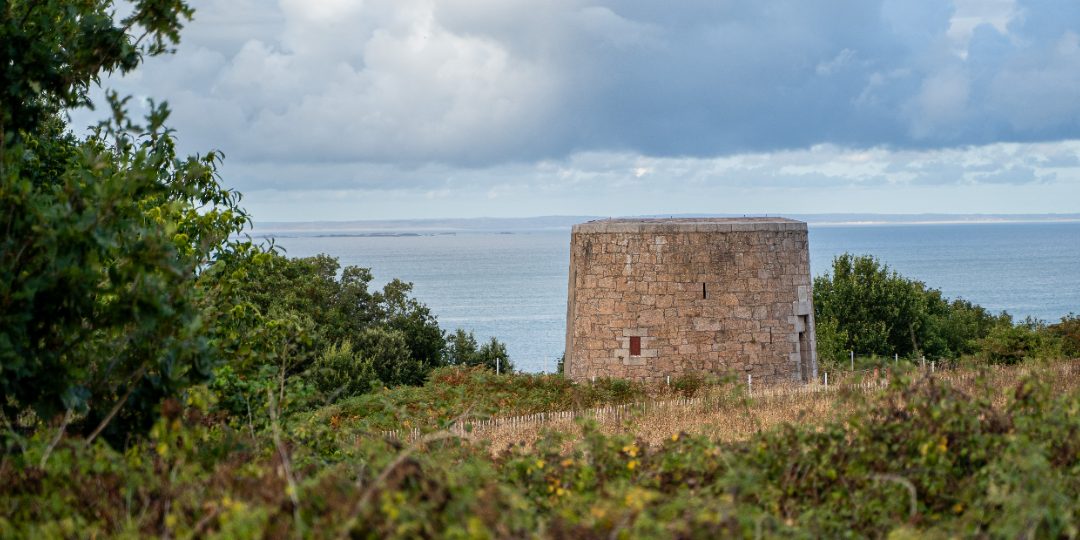
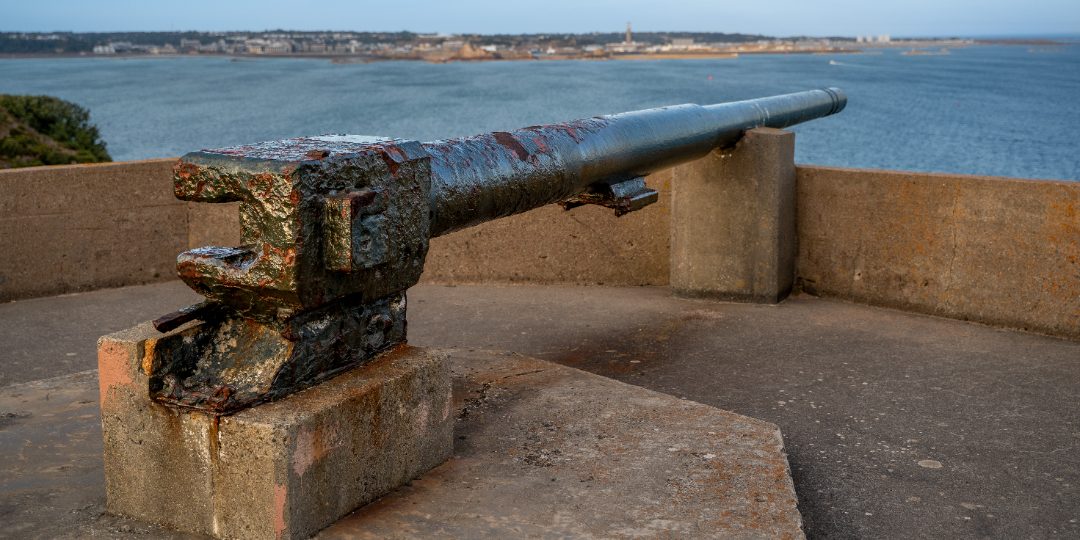
Cannon made Mont Orgueil obsolete, so Elizabeth Castle was built on its islet in the bay. Two centuries later, fear of French invasion ringed the coast with round towers and crowned the town with a fort. The Royal Square is where the last battle was fought, in 1781.
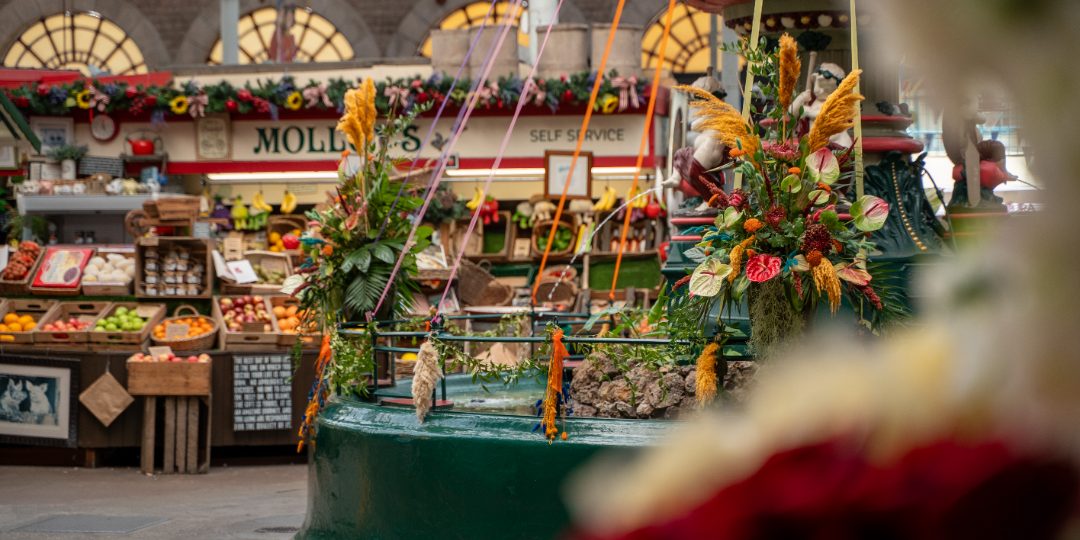
Prosperity from shipping, oysters and later tourism built the harbours, the covered market and the Victoria Tower — the last fortification of the old kind, built the year Victoria came to the throne.
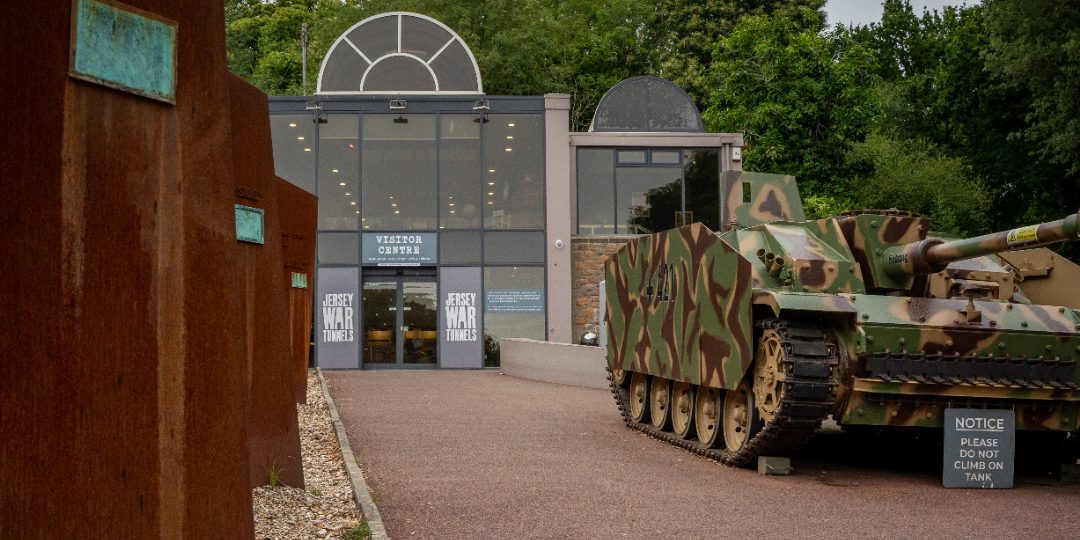
German forces occupied the island for five years. The War Tunnels tell the story underground; the batteries and towers on the headlands are the story in concrete. It ended on 9 May 1945 in the square outside the Pomme d’Or hotel, and the island has celebrated Liberation Day there every year since.
Every place above is a stamp in Jersey Quest — walk up, tap to collect, keep a souvenir photo and hear the story. Complete a set and a collectible card is yours. Coming to the App Store and Google Play in 2026. We don't collect e-mails — follow @jerseyquestapp and you'll see it the moment it's live. Free, works offline, no personal tracking.